Scott 3200A Tailwheel – Fully Rebuilt: Reliable Aircraft Ground Handling Performance
Scott 3200A Tailwheel – Fully Rebuilt: Reliable Aircraft Ground Handling Performance
Blog Article
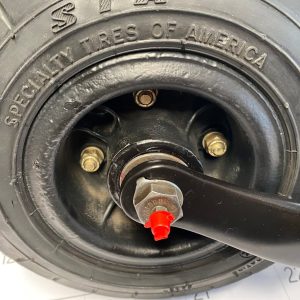
The Scott 3200A Tailwheel – Fully Rebuilt combines an established aviation design with inspected, serviced, adjusted, and replaced components intended to restore dependable mechanical operation. A fully rebuilt description should identify which bearings, bushings, springs, steering components, seals, fasteners, wheel parts, and wear items were replaced or retained.
The Scott 3200A Tailwheel Assembly remains relevant for restoration work, scheduled maintenance, worn-component replacement, and ground-handling improvement projects. A Scott Tailwheel Assembly can develop wear through repeated taxi cycles, landings, vibration, dirt exposure, moisture, poor lubrication, incorrect alignment, or unsuitable adjustment.
An Aircraft Tailwheel Assembly supports the rear of a conventional-gear airplane and contributes to directional control throughout ground operations. The General Aviation Tailwheel should receive maintenance based on actual use, operating surface, contamination exposure, and observed condition.
Whether the goal is a Replacement Aircraft Tailwheel or a broader purchase of General read more Aviation Landing Gear Parts, qualified review provides the strongest foundation.
Key Benefits of a Rebuilt Scott 3200A
A fully rebuilt Scott 3200A may offer practical value when its identity, condition, rebuild scope, and aircraft compatibility are confirmed. Replacing the tailwheel alone may not correct a wider installation problem.
Choosing a Scott 3200A Tailwheel Assembly
Actual operation depends on the complete aircraft installation rather than the tailwheel assembly alone. Detailed documentation gives buyers a stronger basis for comparing available Scott 3200A Tailwheel Assemblies.
Scott Tailwheel Assembly Service Quality
A thorough rebuild generally begins with complete disassembly, careful cleaning, detailed inspection, and measurement of wear-sensitive areas. A written work summary helps explain how the seller defines the assembly’s condition.
Aircraft Tailwheel Assembly Maintenance
Correct mechanical condition supports predictable aircraft behavior on the ground. Weak, broken, or mismatched steering springs may reduce directional response or create irregular control.
General Aviation Tailwheel Reliability
Each operating environment places different demands on the tire, wheel, fork, bearings, steering mechanism, hardware, and lubrication. Professional verification helps prevent unsuitable installation and unnecessary project expense.
Aircraft Tailwheel Steering Performance
Its geometry, tire condition, fork alignment, steering arrangement, and internal condition can influence ground behavior. Abnormal wear may indicate misalignment, bearing problems, repeated shimmy, poor adjustment, or use on abrasive surfaces.
Maintaining a Taildragger Tailwheel
Taildragger pilots coordinate rudder, brakes, power, and tailwheel input to maintain ground stability. Repeated hard pivoting can increase wear on the tire, bearings, springs, steering arms, fork, and mounting hardware.
Benefits of an Aviation Tailwheel System
An Aviation Tailwheel System includes the tailwheel assembly, tail spring, steering chains or links, steering springs, mounting hardware, surrounding structure, and its relationship with the rudder controls. Springs should remain free from distortion, corrosion, cracking, broken coils, or unsuitable substitution.
Tailwheel Steering Assembly Performance
A Tailwheel Steering Assembly converts rudder-related input into directional movement during taxiing and low-speed ground operations. The mechanism should not interfere with surrounding structure, chains, springs, fairings, or nearby aircraft components.
Choosing a Ground Handling Tailwheel
Reliable ground handling begins with a serviceable assembly and a correctly adjusted installation. The tailwheel should not be used as an unsuitable lifting, pulling, or jacking point.
Maintaining Scott 3200 Series Components
The Scott 3200 Series Tailwheel has become familiar within general aviation through its use on numerous conventional-gear aircraft and restoration projects. Buyers should verify markings, mounting dimensions, steering-arm arrangement, wheel configuration, and included components.
Maintaining a Heavy-Duty Aircraft Tailwheel
Rugged operations may involve gravel, grass, dirt, uneven surfaces, frequent cycles, contamination, and repeated loading. Preventive maintenance supports reliable Heavy-Duty Aircraft Tailwheel operation.
Buying Tailwheel Aircraft Parts
Every component should match the intended Scott assembly and aircraft installation. A weak spring, worn bushing, rough bearing, damaged pawl, or incorrect fastener may create movement throughout the mechanism.
Aircraft Steering Tailwheel Performance
The assembly should respond without excessive delay, harsh engagement, binding, or uncontrolled movement. Pilots should use techniques appropriate to the aircraft and avoid unnecessary mechanical stress.
Installing a Replacement Aircraft Tailwheel
Correct identification reduces compatibility problems, return costs, and installation delays. A professional pre-installation review protects both the aircraft and the buyer’s investment.
Buying General Aviation Landing Gear Parts
Each component contributes to aircraft support, ground control, steering, braking, or load absorption. Used or rebuilt landing gear parts should be listed with accurate identification, condition, rebuild history, package contents, and available documentation.
Evaluating a Scott 3200A Tailwheel
The seller should disclose which parts were replaced, which components were retained, and whether repairs or limitations remain.
- Verify the tailwheel model, mounting dimensions, steering-arm arrangement, wheel size, and package contents through suitable references.
- Arrange professional evaluation when rebuild quality, structural condition, or internal serviceability remains uncertain.
- Require packaging that protects the wheel, fork, steering arms, mounting surfaces, fittings, and loose hardware from impact and movement.
Scott Tailwheel Fitment and Adjustment
Every fastener and component should match the intended installation and remain properly secured. The tailwheel should move through its intended range without binding, abnormal looseness, interference, or contact with surrounding components.
Testing should begin at low speed in a suitable area under safe conditions.
Long-Term Scott 3200A Care
Preventive maintenance can identify wear before it develops into shimmy, binding, looseness, poor steering, or component damage. Early attention supports reliable long-term operation.
Suitable lubricant should be applied at the correct locations without attracting unnecessary contamination.
Choosing the Scott 3200A Tailwheel – Fully Rebuilt
For the correct installation, the rebuilt assembly can support directional steering, controlled swiveling, predictable taxiing, and long-term serviceability. Careful technical and commercial evaluation can reduce compatibility problems, repeated repairs, project delays, and unexpected costs.
Whether the requirement is a Scott 3200A Tailwheel Assembly, Scott Tailwheel Assembly, Aircraft Tailwheel Assembly, or General Aviation Tailwheel, exact installation details should guide the purchase. With qualified evaluation and continued care, the Scott 3200A Tailwheel – Fully Rebuilt can deliver a professional combination of durability, directional control, and reliable aircraft ground performance.
Report this page